How Childhood Programming Influences Adult Success
By Coach Jeetu Sharma
As children, we often accept messages without questioning them. If a child is frequently encouraged and supported, they may grow up believing they are capable and worthy of success. On the other hand, constant criticism, comparison, or discouragement can lead to self-doubt and fear of failure that continues into adulthood.
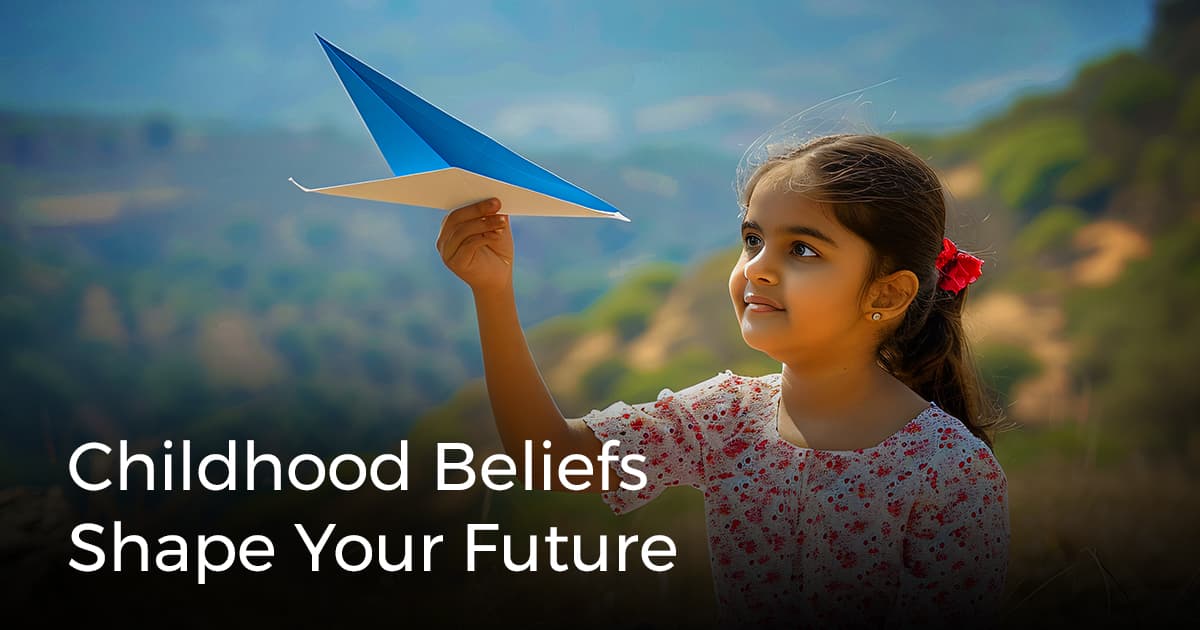
Many of the beliefs, habits, and behaviors we carry as adults were formed long before we realized it. During childhood, our minds absorb information like a sponge, learning from parents, teachers, family members, and the environment around us. These early experiences create what many psychologists refer to as "programming"—the beliefs and patterns that shape how we see ourselves and the world.
As children, we often accept messages without questioning them. If a child is frequently encouraged and supported, they may grow up believing they are capable and worthy of success. On the other hand, constant criticism, comparison, or discouragement can lead to self-doubt and fear of failure that continues into adulthood.
These early beliefs can influence everything from career choices to relationships and personal goals. For example, someone who grew up hearing "You're smart and hardworking" may approach challenges with confidence. Someone who repeatedly heard "Don't make mistakes" might become overly cautious, perfectionistic, or afraid to take risks.
Childhood programming doesn't determine your future, but it often influences the way you respond to opportunities and setbacks. Many adults unknowingly operate from beliefs they formed years ago, such as "I'm not good enough," "Success is for other people," or "I have to be perfect to be accepted."
The good news is that these patterns are not permanent. Awareness is the first step toward change. When you identify limiting beliefs, you can begin to challenge them and replace them with healthier, more empowering perspectives.
Success is not only shaped by talent, education, or hard work. It is also influenced by the stories we tell ourselves and the beliefs we carry from our earliest years.
Understanding your childhood programming can help you recognize what's helping you move forward and what's holding you back. When you consciously choose new beliefs and behaviors, you give yourself the opportunity to create a future that is based on who you want to become—not just on what you learned growing up.